Pages

Tuesday, November 5, 2019


Hurumanu - Decomposing and Recycling


Aim: To learn about the rate that different materials dec

Hurumanu - Decomposing and Recycling


Aim: To learn about the rate that different materials decompose. 


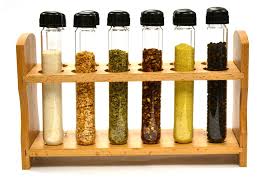
Image result for test tube rack


Hypothesis: I think that......

Materials:

  1.   
  2.   
  3.   
  4.   
  5.   
  6.   
  7.     
Steps:
  1.   
  2.   

  3.   
  4.   
  5.   
  6.  
Image:


Findings:


TODAY
Colour
Change
Observations
Banana


Paper


Styrophone cup


Bread


  •   
  •   
  •   


3 weeks
Colour
Change
Observations
Banana


Paper


Styrophone cup


Bread


  •   
  •   
  •   


5 weeks
Colour
Change
Observations
Banana


Paper


Styrophone cup


Bread


  •    
  •    
  •     
  •    


Images:


Conclusion:


Video questions:

What has human activity done to our planet?


What is Zero Waste?
Definition:

What stuff has a carbon footprint?

What are 2 easy things to help our planet?
  1.   
  2.    
What do we need to recycle?


What does recycling do to our planet?


How much of our rubbish is made up of food scraps?


What does methane gas do to our planet?


What does soil do to carbon dioxide in the atmosphere?


What do using zero waste practices do to our planet?

    What is a carbon footprint?


    What is your Carbon Footprint?


    You are now going to look at your own carbon footprint by taking a questionirre. Remember to 'Add details to improve accurcay'.

    Based on the questionaire what is your:

    1. Ecological Footprint
    2. Carbon Footprint

    How many planets did you have?


    What is your personal Earth overshoot day?

    ENERGY SAVING TIPS FILM


    Name 2 of the tips.

    1.   
    2.   

    MY INVESTIGATION.


    Image result for rates of decomposition


    • Choose 3 items from the list.
    • Investigate them using Google.
    • Answer the 4 questions below.


    Name: 
    1. How long does this resource take to decompose?
    2. What resource / fossil fuel are they made from?
    3. How does making this object contribute to climate change?
    4. How is this resource recycled?


    Labels: , , , , ompose. 


    Image result for test tube rack


    Hypothesis: I think that......

    Materials:

    1.   
    2.   
    3.   
    4.   
    5.   
    6.   
    7.     
    Steps:
    1.   
    2.   

    3.   
    4.   
    5.   
    6.  
    Image:


    Findings:


    TODAY
    Colour
    Change
    Observations
    Banana


    Paper


    Styrophone cup


    Bread


    •   
    •   
    •   


    3 weeks
    Colour
    Change
    Observations
    Banana


    Paper


    Styrophone cup


    Bread


    •   
    •   
    •   


    5 weeks
    Colour
    Change
    Observations
    Banana


    Paper


    Styrophone cup


    Bread


    •    
    •    
    •     
    •    


    Images:


    Conclusion:


    Video questions:

    What has human activity done to our planet?


    What is Zero Waste?
    Definition:

    What stuff has a carbon footprint?

    What are 2 easy things to help our planet?
    1.   
    2.    
    What do we need to recycle?


    What does recycling do to our planet?


    How much of our rubbish is made up of food scraps?


    What does methane gas do to our planet?


    What does soil do to carbon dioxide in the atmosphere?


    What do using zero waste practices do to our planet?

      What is a carbon footprint?


      What is your Carbon Footprint?


      You are now going to look at your own carbon footprint by taking a questionirre. Remember to 'Add details to improve accurcay'.

      Based on the questionaire what is your:

      1. Ecological Footprint
      2. Carbon Footprint

      How many planets did you have?


      What is your personal Earth overshoot day?

      ENERGY SAVING TIPS FILM


      Name 2 of the tips.

      1.   
      2.   

      MY INVESTIGATION.


      Image result for rates of decomposition


      • Choose 3 items from the list.
      • Investigate them using Google.
      • Answer the 4 questions below.


      Name: 
      1. How long does this resource take to decompose?
      2. What resource / fossil fuel are they made from?
      3. How does making this object contribute to climate change?
      4. How is this resource recycled?


      Decomposing and Recycling


      Hurumanu - Decomposing and Recycling


      Aim: To learn about the rate that different materials decompose. 


      Image result for test tube rack


      Hypothesis: I think that......

      Materials:

      1. banana   
      2.   paper
      3.   bread
      4.   hydrophone cup 
      5.   
      6.   
      7.     
      Steps:
      1.  put bread in the test tube 
      2.   put the banana in the test tube 
      3.   put the hydrophone in the cup 
      4.   put the paper in the cup  
      Image:


      Findings:


      TODAY
      Colour
      Change
      Observations
      Banana


      Paper


      hyrophone cup


      Bread


      •   
      •   
      •   


      3 weeks
      Colour
      Change
      Observations
      Banana


      Paper


      htyrophone cup


      Bread


      •   
      •   
      •   


      5 weeks
      Colour
      Change
      Observations
      Banana


      Paper


      Styrophone cup


      Bread


      •    
      •    
      •     
      •    


      Images:


      Conclusion:


      Video questions:

      What has human activity done to our planet?


      What is Zero Waste?
      Definition:

      What stuff has a carbon footprint?

      What are 2 easy things to help our planet?
      1.   
      2.    
      What do we need to recycle?


      What does recycling do to our planet?


      How much of our rubbish is made up of food scraps?


      What does methane gas do to our planet?


      What does soil do to carbon dioxide in the atmosphere?


      What do using zero waste practises do to our planet?

        What is a carbon footprint?


        What is your Carbon Footprint?


        You are now going to look at your own carbon footprint by taking a questionnaire. Remember to 'Add details to improve accurcay'.

        Based on the questionnaire what is your:

        1. Ecological Footprint
        2. Carbon Footprint

        How many planets did you have?


        What is your personal Earth overshoot day?

        ENERGY SAVING TIPS FILM


        Name 2 of the tips

        1.   g
        2.   

        MY INVESTIGATION.


        • Choose 3 items from the list.
        • Investigate them using Google.
        • Answer the 4 questions below.


        Name:sita 
        1. How long does this resource take to decompose?
        2. What resource / fossil fuel are they made from?
        3. How does making this object contribute to climate change?
        4. How is this resource recycled?Share to Pinterest

        safty

        Aim: To learn about  the expected behaviour in a science laboratory.


        Our R9 Class Treaty
        1. bags under your desk 
        2. no food or drink
        3. no running  
        4. dont touch experiment
        5. report any breakages or spills
        6. do not taste or sniff anything    
        Safety in a laboratory.

        teacher   shoes   practical  teacher laboratory   ask  sniff teacher  breakages 
        1.   Follow the instructions given to you by the teacher.
        2.   You must not enter the laboratory without your teacher.
        3.   Report all breakages to your teacher.
        4.   You must never eat or drink in a laboratory
        5.  shoes must be worn at all times.
        6.   If you spill something you should tell your teacher immediately.
        7.  You should wash your hands after every  practical activity.
        8. You should know what you are doing. If in doubt ask your teacher.
        9. Never taste or sniff  chemicals.
        In your group, discuss how the following scenarios could be dangerous.
        1. Not putting your bag under your desk.
        2. Running around in the laboratory.
        3. Not wearing shoes in a laboratory.
        4. Shaking a test tube with your thumb over its mouth?
        How do we work in this laboratory?
        1. Beginning and End of class: Lining up, Entry, Seating, 
        2. Equipment tray: equipment list and details.
        • Test tube - This is used  for experiments using liquids.They have a bung that can be placed in the top. Test tubes sit in a test tube rack.
        • Conical Flask - This is used for experiments with liquid up to 150 ml. The flask has a rubber bung for the top and the glass is heat proof.
        • Glass Stirring rod - This is a 20cm glass rod used to stir and mix any liquids together.
        • Test tube tongs - These are used to hold a hot test tube after an experiment.
        • Spatula - This is for holding very small amounts of chemical powders.

        • Funnel - used to channel liquids into a smaller container.
        • Measuring Cylinder - This is used to measure liquids for experiments. The liquids will be poured into a beaker or test tube once measured out.

          S


          Hurumanu: The Water Cycle


          AIM: TO LEARN ABOUT WATER ON EARTH.

          Definition:


          Scientific words:

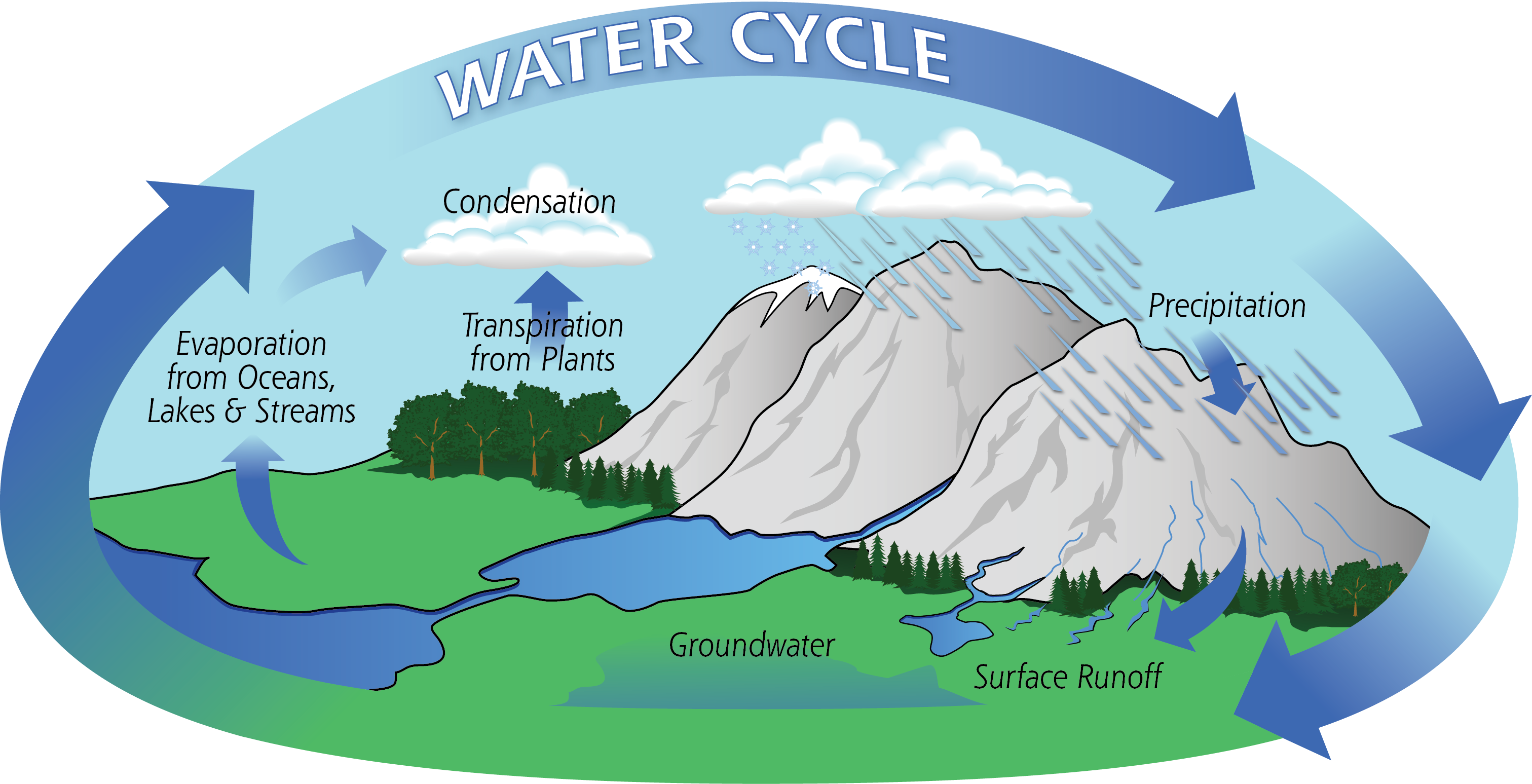
          • Evaporation. When water is heated by radiant energy it turns into water vapor.
          • Transpiration. Evaporation from plants.
          • Condensation. When water vapor cools, molecules join together and form clouds.
          • Precipitation. When clouds get heavy the waters falls as rain, sleet, hail, or snow.
          • Acidification: the action or process of making or becoming acidic.

          THE WATER CYCLE SONG

          Image result for the water cycle

          THE WATER CYCLE EXPERIMENT

          Bag 1: Normal Water cycle
          Bag 2: Water cycle with CO2 added: like Oceans in climate change
          Bag 3: Water cycle with ice added: like Antarctica in climate change

          Material:

          1.  
          2.  
          3.  
          4.   

          Steps:

          1.  
          2.  
          3.  
          4.  

          Two Images:


          Findings:


          The Water Cycle
          Acid Water Cycle
          Does it cycle?
          23
          Amount of Water
          23
          Acidity
          31

          Key: Water and acidity amount: 0 = none 
          1 = small 
          2 = large 

          Other comments:


          Conclusion:


          My Investigation on climate change


            ACIDIFICATION  the ocean become more wasted 

            DEFINITION: its a big wide area when trees gets cut of 

            What is happening to the oceans?                                     The ocean contains about 97% of all the water on Earth. The ocean plays a starring role in whatever happens with the environment. One big part of its role is to soak up energy (heat) and distribute it more evenly around the Earth

            What does this do to shellfish?

            HOW DOES CLIMATE CHANGE CONTRIBUTE TO THE ACIDIFICATION OF OUR OCEANS?


            Image result for sea animals on the ocean
            2 Images;  Image result for sea animals on the ocean